Museums and Historical Archives
Archaeology and Art
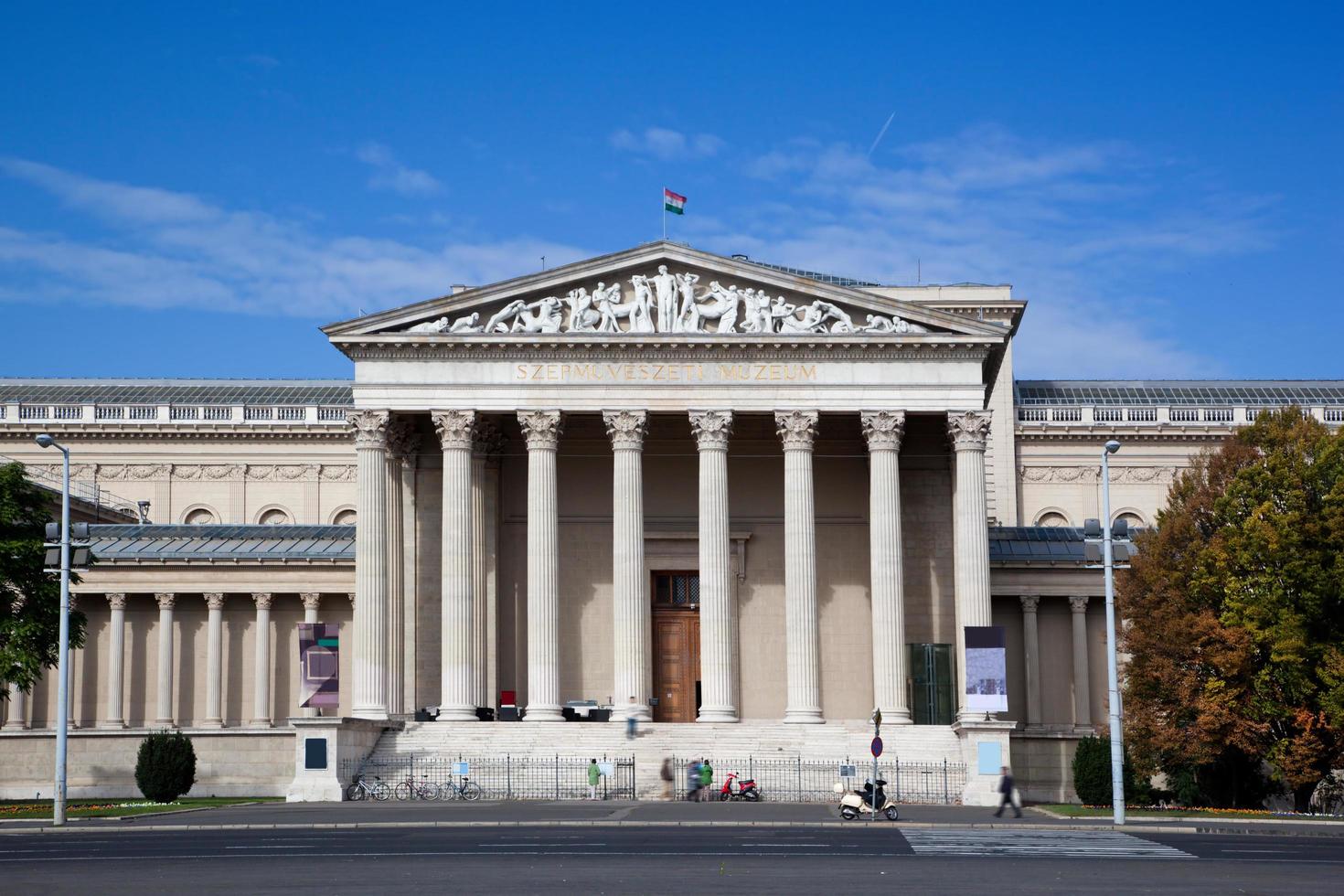
(Photo: The Hungarian National Museum in Budapest)
The archaeological collections displayed in European museums and the early medieval documents housed in historical archives bear eloquent witness to the evolution of Longobard culture. These artifacts—in which the hands of artisans and scribes gave tangible form, through gold, other materials, and the written word, to the conceptual elements and styles that helped shape the “foundational root of European Culture”—embody this history. Museums and historical archives—whose network forms an integral part of the cultural system—reinforce their role as essential tourist attractions and stand as vital hubs for both scientific research and the promotion of educational and informational activities, with a particular focus on schools.
Network Qualification – Based on UNESCO assessments regarding the value of Longobard culture and subsequent guidelines issued by the “Amelio Tagliaferri” International Scientific Committee (established by the *Associazione Longobardia*), the core group of european Museums and Historical Archives participating in the Itinerary has launched a network named “Sources of European Culture – The Primary Longobard Root.” The network aims to fulfill two functions:
- to highlight the public and private institutions that safeguard the precious heritage of Longobard civilization and to foster further study and research through collaborative projects involving museums, historical archives, and universities;
- to bring to public attention—and especially to the younger generations—the exceptional historical and scientific significance of the foundations of European culture; the nature of this culture is constantly evolving, yet it remains a fundamental and indispensable source of identity for all the peoples of Europe.
Regarding the subject of the Longobards and the European Route that promotes it, the assessment provided by the Hungarian National Museum in Budapest is significant: "This highly important initiative plays a fundamental role in the preservation, study, and promotion of a shared cultural heritage rooted in the Longobard legacy. The 'network' serves as a vital platform for fostering collaboration among Institutions dedicated to promoting historical Memory and European Cultural Identity."
Prestige and exclusivity of the network – Evidence of the Longobard historical legacy is unevenly distributed across various European countries: in Northern and Central-Eastern Europe, one finds—alongside the magnificent landscapes that served as the setting for the archaeologically documented origins of Longobard history—artifacts of material culture and traces of settlements featuring wooden structures. The Italian peninsula (home to a 500-year Longobard presence) boasts the highest concentration of museum-housed, monumental, and artistic heritage. Each section of the Itinerary reflects elements that characterize specific evolutionary phases of Longobard culture. Consequently, museums and historical archives hold immense value, as they safeguard the evidence and primary sources that provide insight into the Longobard and Early Middle Ages era.