Europe of the peoples
With the passing of Rome’s classical era, the ensuing transitional period between Late Antiquity and the Middle Ages was marked by events that, taken together, constituted a foundational phase in the grand narrative of European history.
Indeed, this period saw Europe undergo a genuine evolutionary phase, driven by three decisive events:
- For the first time in history, the name "Europe"—previously regarded as nothing more than a geographical term—became associated with a unified entity, not only politically but also in social and religious terms.
- The Papacy in Rome asserted its autonomy with greater determination vis-à-vis the imperial power of Byzantium; the latter was heavily preoccupied with affairs in the Middle East, and consequently distracted from events on the Italian peninsula and the critical survival needs of the Byzantine Duchy of Rome.
- The Longobards played a historic role as unifiers of diverse cultures and traditions, forging a new culture that is recognized today—at its peak—as a "primary root of European culture, subsequently developed by the Carolingians" (UNESCO, 2011).
The inception of this epochal transformation is encapsulated primarily in the concepts expressed in two letters written to two different popes by the Irish missionary Saint Columbanus. In 600 AD, the preacher—who had spent the previous decade evangelizing communities in England and France—wrote to Pope Gregory I (the Great), then ten years into his papacy, describing him as the “brightest flower of a Europe in decline.” This clearly implies a moral reference to the peoples of Europe as a whole, united under the umbrella of a single continental entity.
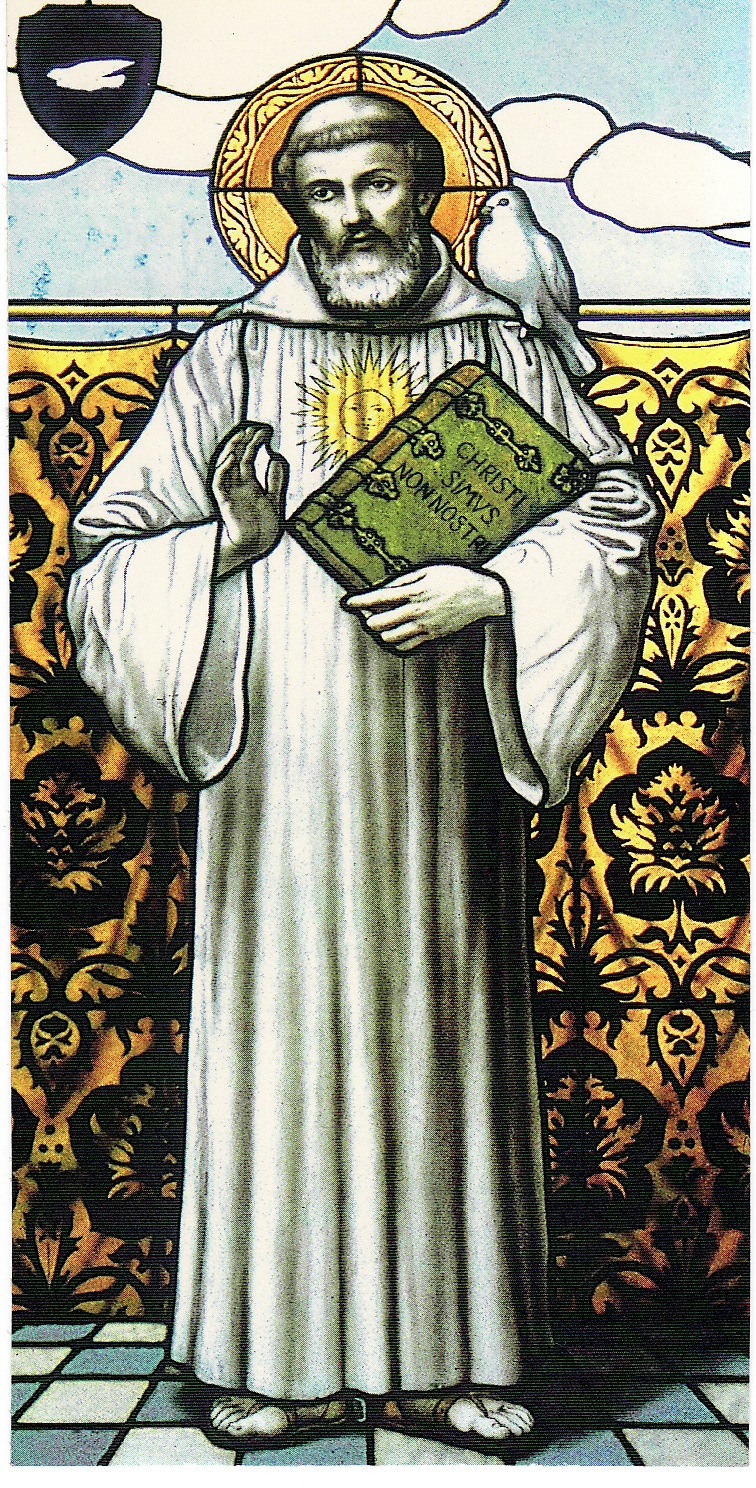
In 608, Columbanus sent another letter to the subsequent pontiff, Boniface IV. In this text, the pope is addressed as the “most illustrious head of all the churches of all Europe”—an expression that, transcending ethnic and cultural barriers, defines even more clearly the concept of a single continent and the many communities inhabiting it.


Circa cinque anni prima l’azione evangelizzatrice di papa Gregorio Magno aveva fatto presa sulla prima regina longobarda, Teodolinda, la quale aveva fatto erigere in Monza il primo nucleo del futuro duomo, simbolicamente intitolato a S. Giovanni Battista: testimonianza della volontà della regina di aderire al cattolicesimo; intento rafforzato dal battesimo del figlioletto Adaloaldo (603). La strada della conversione era stata così indicata a tutte le Genti longobarde, generando – nella ideale “culla” di Monza – il percorso evolutivo che avrebbe portato la Cultura longobarda a raggiungere il proprio apice innovativo e ad attribuire alle Genti longobarde uno straordinario ruolo nella Storia d’Europa.
Quali siano valore e potenza simbolica della Croce di Adaloaldo attraverso i tempi è provato dal fatto che papa Paolo VI nel gennaio del 1964 volle indossare quella croce nel suo storico incontro di riconciliazione con il Patriarca ecumenico di Costantinopoli Atenagora I: il primo incontro tra Chiesa di Roma e le Chiesa ortodossa dopo lo Scisma d’Oriente del 1054, sul finire della lunga epoca longobarda.
About five years earlier, the evangelizing efforts of Pope Gregory the Great had won over the first Longobard queen, Theodelinda; she had the initial core of what would become the Monza Cathedral erected there—symbolically dedicated to St. John the Baptist—as a testament to her commitment to Catholicism, an intent further reinforced by the baptism of her young son, Adaloald (603). The path to conversion was thus pointed out to all the Longobard peoples, sparking—within the ideal "cradle" of Monza—an evolutionary process that would lead Longobard culture to its innovative peak and secure an extraordinary role for the Longobard peoples in the history of Europe.
The value and symbolic power of the Cross of Adaloald throughout the ages are evidenced by the fact that, in January 1964, Pope Paul VI chose to wear it during his historic reconciliation meeting with the Ecumenical Patriarch of Constantinople, Athenagoras I—the first meeting between the Church of Rome and the Orthodox Church since the Great Schism of 1054, which occurred at the close of the long Lombard era.

To complete the picture regarding the values of this foundational era, it is significant to highlight another Longobard contribution to European history—one effectively recognized by UNESCO, which defines a route as “consisting of tangible elements whose cultural significance derives from multidimensional exchanges and dialogues between countries and regions, illustrating the interactive and continuous movement of people along the route across space and time”. Indeed, the Longobard experience is acknowledged as a “successful early medieval example of the migration-integration phenomenon”.