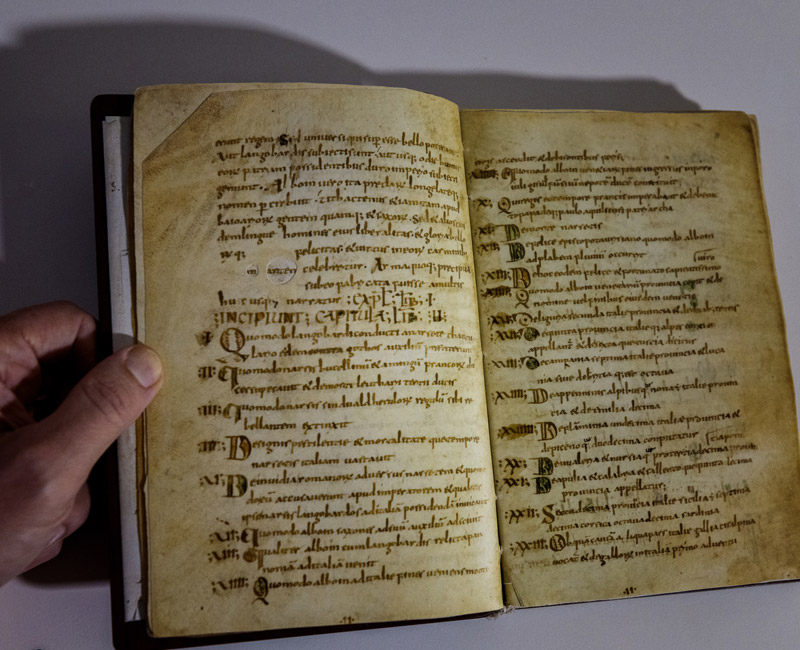
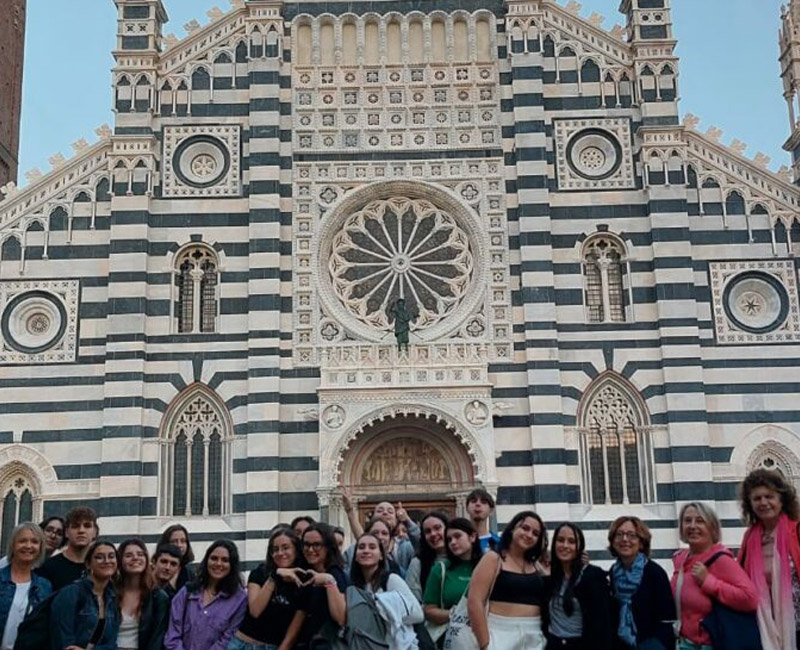
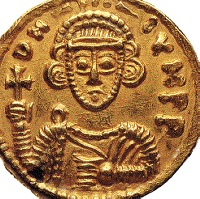
The "Longobard Ways across Europe" Route traces the path of the epochal migration of the Longobard Peoples from the North Sea region through Central-Eastern Europe to Southern Italy. This "journey" spanning over a millennium (from the 1st century BC to 1076 AD) – following the course of some of Europe’s major rivers - laid significant historical, cultural, and religious foundations that extended into the second millennium. It represents an extraordinary adventure and a pivotal chapter in cultural evolution, recognized by UNESCO in 2011; the organization identified Longobard Culture as a "primary root of European culture, later developed by the Carolingians"serving as a fundamental reference point for the consolidation of a shared European Culture. Following the thread of Longobard historical and artistic heritage across the Route’s various territorial-Clusters allows today’s travelers to discover the places, towns, cities, and customs of European Peoples, and to appreciate the values embodied by Longobard Culture—Europe’s hidden soul—as a foundation for sharing a “common European sentiment.”
Search on maps